
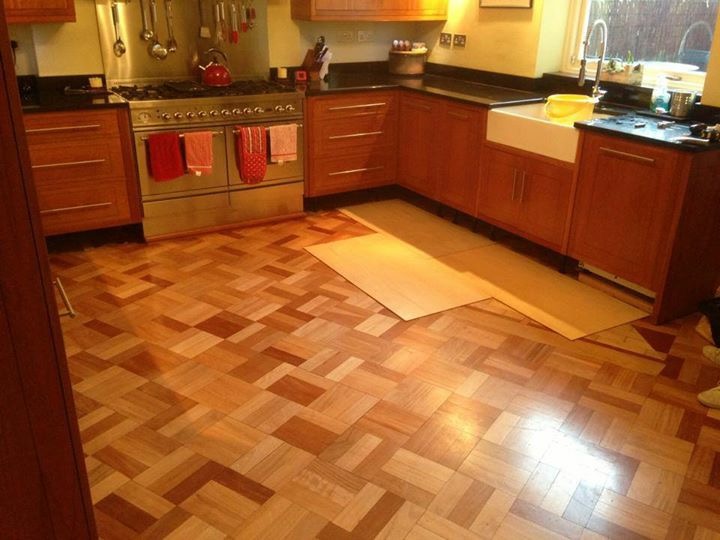
How to Remove Scratches from Wood Floors: Match the Fix to the Damage
Finding a scratch across a wood floor can be frustrating, but reaching for sandpaper or a viral DIY remedy isn’t always the answer. The correct fix depends on whether the mark has affected the surface finish, reached the timber underneath or damaged the board itself.
If you’re wondering how to remove scratches from wood floors, start by assessing the damage rather than immediately trying to disguise it. A minor surface mark may need little more than a finish-compatible treatment, while a deep gouge can require professional repair.
First Identify the Floor and Finish
Before attempting any repair, establish what type of flooring you have.
Solid and engineered wood can both be repaired in certain circumstances, but their construction differs. You should also identify whether your floor is oiled, lacquered or has another factory-applied finish.
Check the manufacturer’s care instructions wherever possible, as using an incompatible repair product can leave a more noticeable mark than the original scratch. If you’re comparing different materials, our guide to wood flooring options provides further information.
Is It a Scuff, Scratch or Gouge?
Use good natural light and look at the mark from several angles. Don’t judge depth by colour alone, as even a shallow scratch can appear pale against darker timber.
| Damage | What you’ll usually see | Possible approach |
| Scuff | Mark sitting on the surface | Gentle cleaning or buffing if approved |
| Finish scratch | Fine line within the coating | Finish-compatible repair |
| Timber scratch | Exposed or differently coloured wood | Colour-matched repair product |
| Deep gouge | Visible indentation or missing timber | Filling, professional repair or refinishing |
| Chipped board | Broken edge or structural damage | Board repair or replacement |
Finish-Only Marks
If you can’t feel the mark with a fingernail and the timber underneath isn’t exposed, it may only affect the protective coating.
Scratches Into the Timber
If your fingernail catches lightly or you can see raw timber, the scratch has probably passed through the finish. It may require both colour correction and restoration of the protective surface.
Deep Gouges or Chipped Boards
A deep indentation, splinter or chipped edge isn’t simply a cosmetic scratch. Stop before attempting DIY sanding, particularly with engineered flooring.
How to Clean Wooden Floors and Inspect the Area
Before deciding how to remove scratches from wood floor surfaces, make sure you’re actually looking at damage rather than dirt or transferred material.
Remove loose debris and gently clean the affected area using a product approved for the floor’s finish. Allow it to dry completely before inspecting it again.
For general cleaning information beyond scratch treatment, browse our wood-floor care advice.
Fixing a Light Surface Scratch
Very fine scratches may sometimes be improved without removing any timber.
Depending on the finish, an approved maintenance or touch-up product may reduce the appearance of the mark. Always test it somewhere inconspicuous first and follow the manufacturer’s instructions.
Avoid vigorous buffing unless specifically recommended, as you could alter the sheen around the scratch and make the repaired area more obvious.
Using a Colour-Matched Repair Product
When a scratch exposes timber, a manufacturer-approved touch-up pen, wax repair system or other colour-matched product may help disguise it.
Colour matching requires care. Wood contains natural variation, and a repair that’s slightly too dark can be more noticeable than the original scratch. Test the colour first and apply the minimum amount required.
When a Local Recoat May Work
If scratching is concentrated within the surface coating, professional localised treatment or recoating may be possible.
Whether this works depends on the existing finish and how well the repaired section can blend into the surrounding floor. Some finishes are much easier to spot-repair than others.
You can view our recent flooring advice and projects to explore flooring options and finishes before considering a larger repair.
When Sanding Is Appropriate
Searching how to sand a wood floor or how to sand hardwood floors can make the process look deceptively straightforward. Sanding removes material permanently, so it shouldn’t be the first response to an isolated scratch.
It may be appropriate where widespread scratching or finish wear justifies refinishing the floor, but the flooring construction and remaining timber depth must be checked first.
Engineered Wood: Check the Wear Layer
This is particularly important with engineered wood.
Unlike solid timber, engineered boards have a real-wood wear layer above their supporting construction. How much material can safely be removed depends on the thickness of that layer and the floor’s previous treatment.
Never assume an engineered floor can be sanded. Check the product specification or ask a flooring specialist first.
Mistakes That Make Scratches Worse
Walnuts, cooking oils, vinegar and other household remedies are frequently suggested online, but they can discolour timber, leave residues or interfere with future finishing products.
Aggressive scrubbing is another common mistake. Similarly, sanding one small patch without understanding the finish can create a visibly different texture or sheen.
When in doubt, stop before turning minor cosmetic damage into a larger repair.
Preventing Furniture and Grit Damage
Prevention is considerably easier than repairing scratches.
Use felt pads beneath furniture, lift rather than drag heavy items and place effective mats at entrances to capture grit. Vacuuming loose particles before they’re walked across the floor can also reduce fine scratching.
When to Repair, Refinish or Replace
The depth and extent of the damage should guide the decision.
A surface mark may need only a compatible treatment. An isolated timber scratch may respond to a colour-matched repair, while widespread finish damage could justify professional refinishing. Deep gouges, chipped edges or badly damaged individual boards may require more substantial repair or replacement.
If you’re unsure which category your floor falls into, you can visit our flooring showroom or ask about a damaged floor before attempting an irreversible repair.
FAQs
Can pet scratches be removed from wood floors?
Sometimes. Light scratches may respond to a finish-compatible treatment, while deeper claw marks that expose timber may require colour matching or professional attention.
Can I repair scratched wood flooring in a rented home?
Speak to your landlord or managing agent before making permanent repairs. Sanding, filling or applying finishes without permission could make the situation worse.
How do I match the colour of a wood floor scratch?
Where possible, use a repair system recommended by the flooring manufacturer. Test the closest colour somewhere inconspicuous before treating a visible area.
Can deep scratches be sanded out?
Potentially, but sanding removes timber permanently. With engineered wood especially, the wear-layer thickness must be established before any sanding is attempted.