
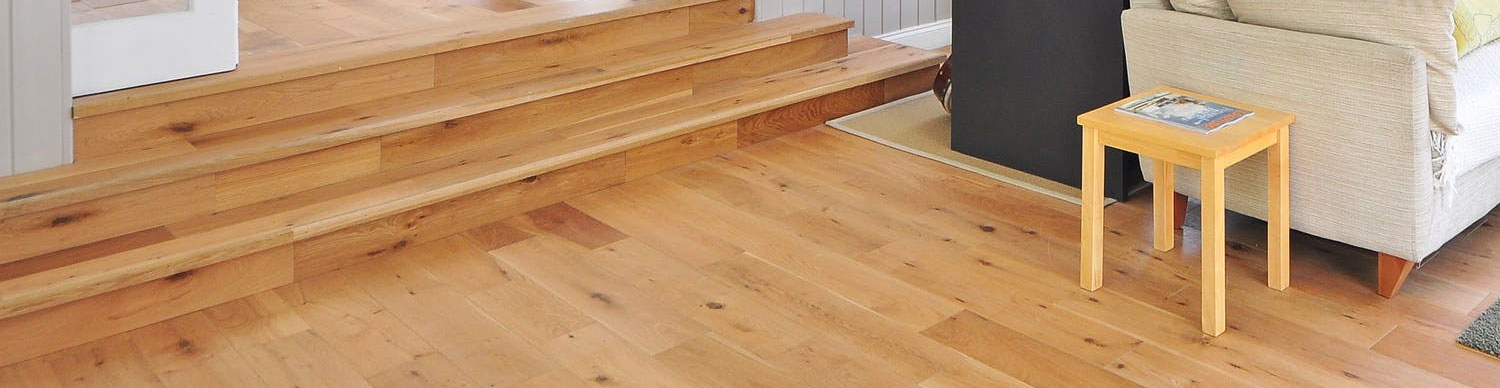
Engineered vs Solid Wood Flooring: A London Home Guide
Choosing between engineered vs solid wood flooring is not simply about appearance. Both options provide the warmth and character of real timber, but they react differently to moisture, heating and changes in temperature.
For homes in Balham, Clapham, Battersea and Wandsworth, the right choice often depends on the property’s subfloor. Victorian and Edwardian homes may have suspended timber floors, while extensions and converted flats frequently have concrete subfloors or underfloor heating.
Engineered vs Solid: The Quick Answer
| Feature | Engineered wood | Solid wood |
| Construction | Real wood surface over layered timber | One solid piece of timber |
| Stability | More resistant to movement | More affected by moisture and temperature |
| Underfloor heating | Usually suitable with the right product | Generally not recommended |
| Refinishing | Depends on wear-layer thickness | Can usually be sanded several times |
| Installation | Suitable for more subfloors | Requires careful site assessment |
| Best suited to | Most modern and renovated homes | Stable environments and long-term installations |
For most London properties, engineered flooring provides the more adaptable option. Solid wood remains an excellent choice when the subfloor and indoor conditions are suitable.
What Is the Difference?
Both products are real wood floors. Solid boards are manufactured from one piece of timber, while engineered boards have a real hardwood surface supported by several stabilising layers.
That layered construction makes engineered flooring less likely to expand, contract or warp. However, not all engineered products are equal. The thickness and quality of the top wear layer affect how the floor looks, performs and can be refinished.
Our wood flooring service includes advice on materials, subfloor preparation, layouts and professional installation.
Stability, Moisture and London Homes
Moisture and temperature changes can cause timber to move. This matters in older London homes, where ventilation, joist movement and uneven floorboards may all affect the installation.
Engineered wood is generally more stable in kitchens, lower-ground-floor rooms and extensions with concrete subfloors. Solid wood can work beautifully over well-prepared suspended timber floors, but it requires careful acclimatisation and moisture testing.
A professional survey is essential before choosing either option. Our wooden floor specialists in Balham can assess the subfloor and recommend a suitable construction and fitting method.
Which Flooring Works with Underfloor Heating?
Engineered wood is normally the preferred choice for underfloor heating because its layered construction handles temperature changes more effectively. Product thickness, timber species and the heating system’s temperature limits must still be checked.
Solid timber is generally less suitable because repeated heating and cooling can increase movement between the boards. Where underfloor heating is a priority, a quality engineered floor or Karndean wood-effect flooring may offer a more practical solution.
Lifespan and Refinishing
Solid wood has a strong long-term advantage because it can often be sanded and refinished several times. With appropriate care, it can remain in a property for generations.
Engineered flooring can also have an excellent lifespan, but its refinishing potential depends on the wear layer. A premium board with a thicker hardwood surface may be sanded more than once, while thinner products have greater limitations.
So, is engineered wood flooring good? A well-made engineered floor is extremely durable, stable and visually comparable to solid timber. Its quality depends on its construction rather than the engineered label alone.
What Suits a Period London Home?
Period properties need to be considered individually.
A Victorian terrace with suspended floorboards may require loose boards to be secured or a plywood overlay installed before fitting. A renovated extension may have a concrete slab that needs moisture testing and levelling. Narrow hallways, bay windows, original skirting and door thresholds can also affect the work involved.
For homeowners considering engineered wood flooring in Clapham or engineered wood flooring in Wandsworth, engineered boards can preserve a period feel while offering greater stability for modern living.
How Much Does Wood Flooring Cost?
When asking how much does wood flooring cost, it is important to compare installed prices rather than board prices alone.
Indicative 2026 costs may include:
Engineered Wood Cost per m²
Quality engineered boards can vary considerably, with the total affected by timber species, plank size, finish and wear-layer thickness. Fully installed projects commonly fall within a broad range of around £60 to £100 or more per square metre.
Solid Wood Cost per m²
Solid timber may have a similar supply price to premium engineered flooring, but fitting and finishing can increase the total. Some floors require sanding, sealing or oiling after installation.
Fitting and Hidden Extras
The final wood floor fitting cost may also include:
- Removing existing flooring
- Levelling or repairing the subfloor
- Moisture testing
- Plywood overlays
- Acclimatising the boards
- Trimming doors
- Beading or work around existing skirting
- Additional material for pattern matching
- Removing and disposing of waste
Herringbone and chevron installations normally cost more than straight planks because they require additional labour, preparation and cutting.
Styles and Patterns
Popular types of wood flooring include wide planks, narrow boards, parquet blocks, chevron and herringbone wood flooring.
Straight planks can make a room feel longer and work well throughout connected spaces. Herringbone brings detail and a sense of heritage, making it especially suitable for hallways and reception rooms in period homes. Chevron creates a cleaner, more contemporary geometric finish.
Which Should You Choose?
Engineered flooring is likely to suit you when:
- You have underfloor heating
- Your subfloor is concrete
- Stability is a priority
- You want wider boards
- The flooring will run through several rooms
Solid wood may be worth considering when:
- The room has a stable timber subfloor
- There is no underfloor heating
- You want maximum refinishing potential
- You plan to keep the floor for decades
- Natural movement and character appeal to you
The most appropriate option should always be based on the property, not simply the product description.
Visit Our Balham Wood Flooring Showroom
Viewing boards in person makes it easier to compare colour variation, grain, texture and finish. You can see our flooring showroom to explore samples and discuss your property, subfloor and preferred style with our team.
A professional home survey can then identify any preparation work and provide an accurate, like-for-like quotation.
Frequently Asked Questions
Is engineered flooring real wood?
Yes. Engineered flooring has a genuine hardwood top layer supported by stabilising layers underneath.
Is solid wood always better than engineered?
No. Solid wood offers excellent longevity, but engineered flooring is often more suitable for concrete subfloors, underfloor heating and rooms affected by temperature changes.
Can engineered wood be sanded?
It depends on the thickness of its wear layer. Premium engineered boards can often be sanded and refinished, while thinner products have limited refinishing potential.
Which option is best for a Victorian home?
Both can work. The right choice depends on the existing subfloor, moisture levels, room use and whether underfloor heating is installed.
Does herringbone flooring cost more to fit?
Usually, yes. The pattern requires more planning, cutting and installation time, as well as additional material for waste and alignment.